About me
Welcome to my portfolio. Here, I showcase a few of my previous assignments and projects that I have worked on throughout my studies. I hope this will reflect areas of interest and my experience with of qualitative and quantitative approaches withing UI/UX-design as well as the diversity of subjects and teams that I have worked together with to develop these projects!

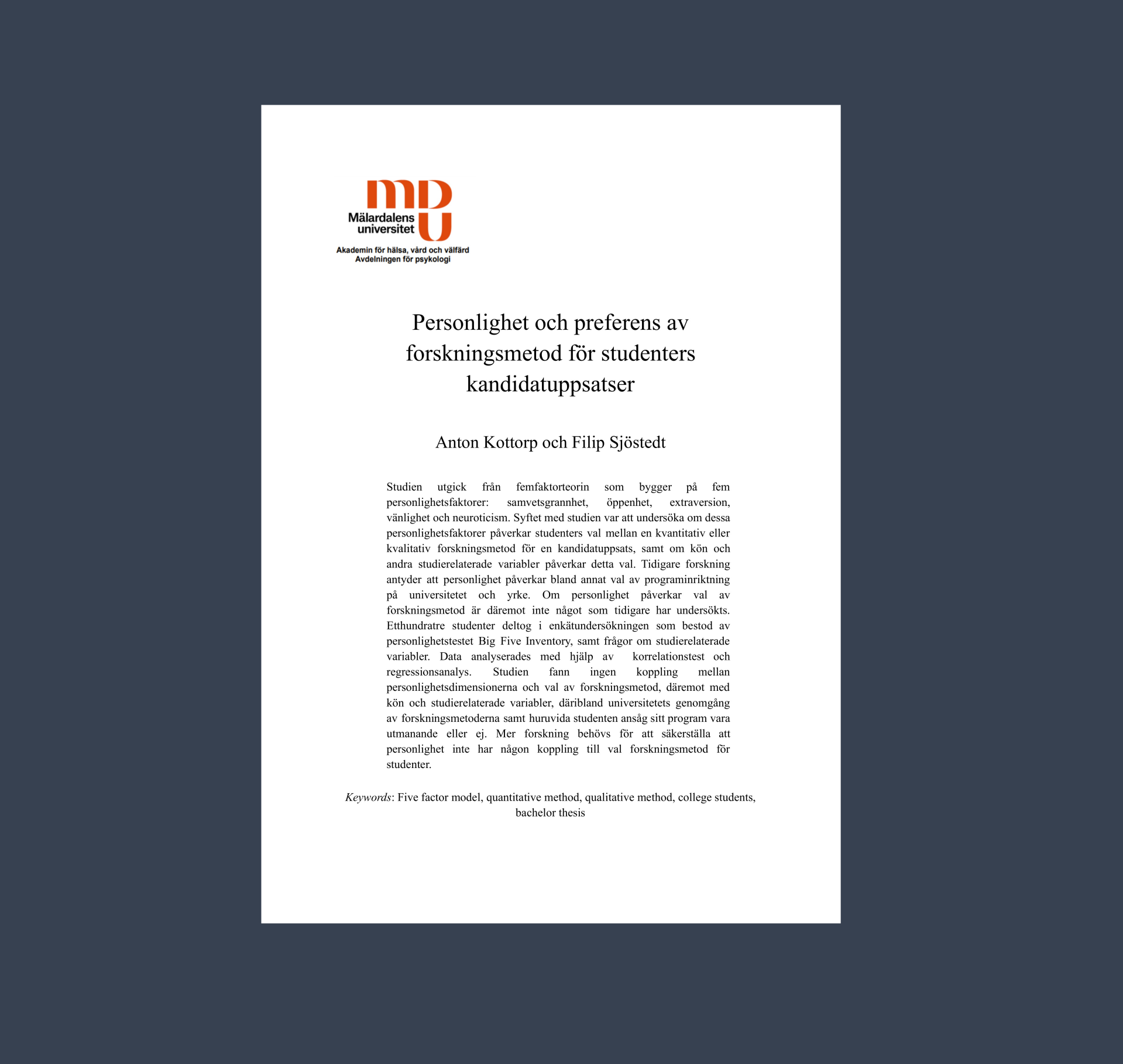
Bachelors degree in Behavioural Science

2022 - 2024
At Mälardalens University I finished my bachelor degree in behavioural science. This program covered three ares; pedagogy, sociology and psychology where you learn about people as an individual, in group and as a part of society. Through the three subject areas, this program delved into work-life, communication and health. This program laid the groundwork for my interest and understanding of human behaviour and how how we act in groups/organisations.
In my final thesis, me and my student colleague investigated the role personality traits had in relation to the choice between a qualitative or quantitative for students final thesis. We found through statistical analysis processing survey data through SPSS, that the most important factor in this choice was the impression that the students had for the qualitative and quantitative courses at university. We theorized that personality traits plays a bigger role in major decisions like choice of program and not necessarily the method for their final thesis.


Masters Degree in Human- Computer Interaction
2024 - 2026
After three years in Västerås for my bachelor degree, I returned to my home town of Uppsala for my masters degree in Human-computer interaction. This program helped me gain more advanced knowledge and experience in theoretical areas in UX and design, essential to create intuitive and effective user experiences along with translating these theories into successful projects and designs.
Below are a few interesting and rewarding projects that I have done throughout my masters program!
Tailored for you, but not for learning
Master thesis
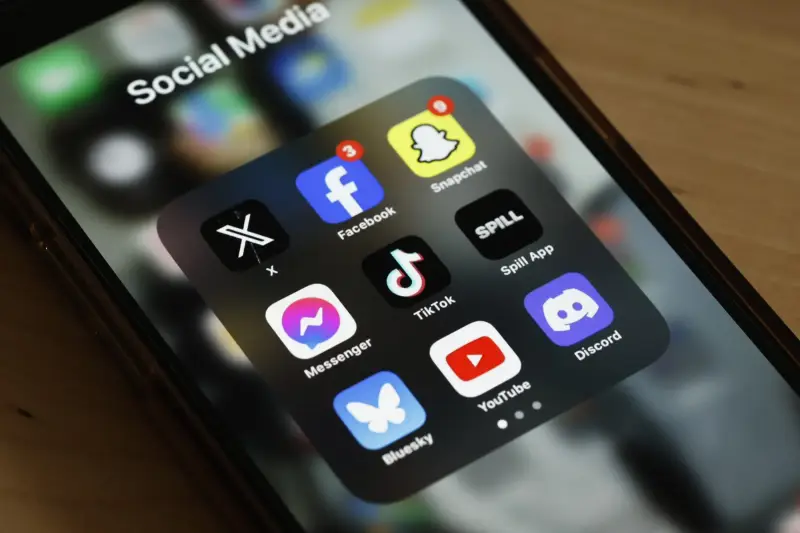
My master thesis investigated students use of social media platforms (TikTok) use for news and political information. More specifically I tested if any specific UI interaction with TikTok news was associated with a change in political knowledge. For example, if sharing and saving news videos means you pay more attention to the information and therefore retain the news better than people that do not interact at all. Using data from an online survey (N= 150), processed through the software Jamovi; I found no difference in political knowledge between user that actively interacted with news content and the ones that passively consume it. Interacting with news content increased the participants feelings of control over their content feed as well leading to not wanting to search for news since they expect the news to find them through their feed, neither of which impacted their political knowledge.
This thesis put my quantitative skills to test as well as my ability to acquire a data set big enough to make statistically supported claims. Through this project, I got to directly investigate how human cognition and interface design (UI/UX) interacts, and how algorithmically curated content can create a sense of empowerment while simultaneously undermining actual knowledge retention.
Link to published thesis: https://uu.diva-portal.org/smash/record.jsf?pid=diva2%3A2073362&dswid=-6416


Posture Cloud
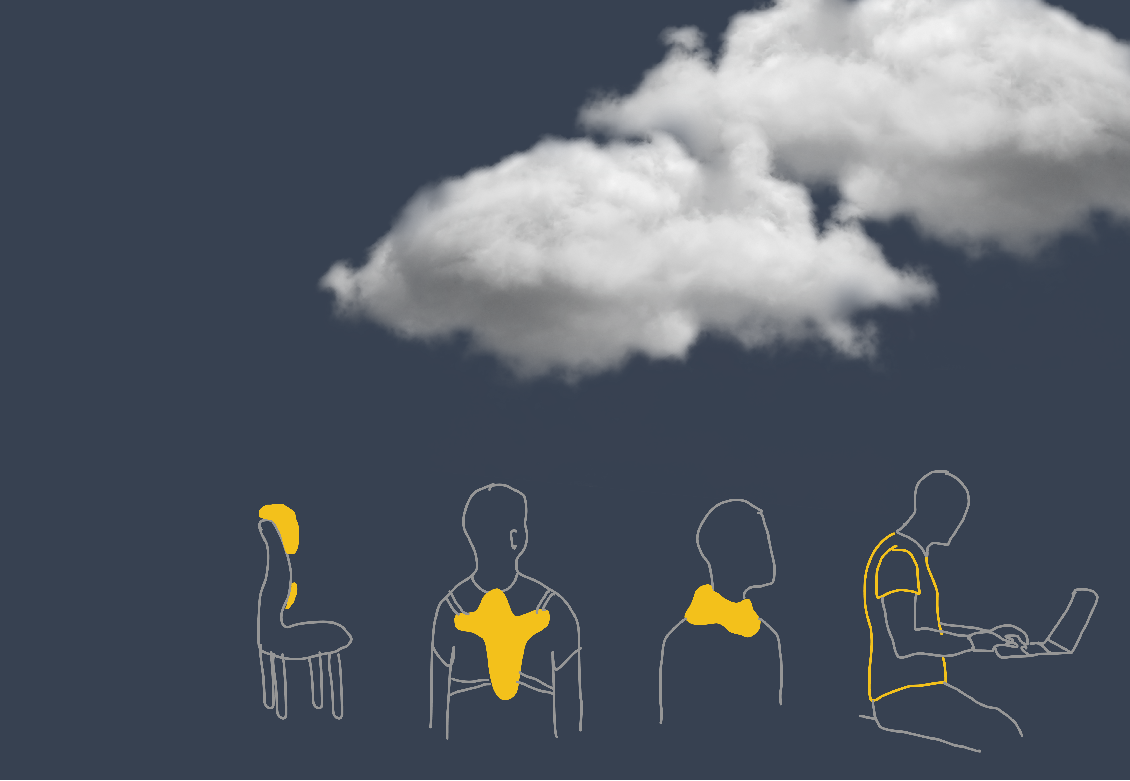
For this project, me and my group members were deeply inspired by Somaesthetic Design which grounds a designs in how we physically and emotionally inhabit the world. Rather than fixing people, it’s about helping them become more attuned to their bodily sensations so we moved away from rigid correction tools toward technologies that support reflective bodily awareness. That’s where our design started: at the intersection of sensing and somatic experience to bring the users attention towards their spine posture. This design uses sensors to detect a bent spine posture and gently guides the users focus to their spine through haptic feedback and light queues.
This project helped me fine evolve my skills of between theoretical research and planning with hands-on testing and designing. This was a fast phased project involving a team from multiple academic backgrounds driven to produce a workable prototype.
User research - Define - Ideate - Prototype testing - Evaluate

Ideation
Research and ideation phase in Figma where we collected anatomical research, user studies and technical limitations.

Testing
Exploration with Arduino, haptic feedback, light- and sound queues.

Prototype
Functioning early prototype with working sensors and feedback.

Evaluation
Final prototype showcase and discussion. Designed for awareness, not enforcement. Encouraging bodily reflection rather than correction.
404 - Feelings Not Found
A mental health robot
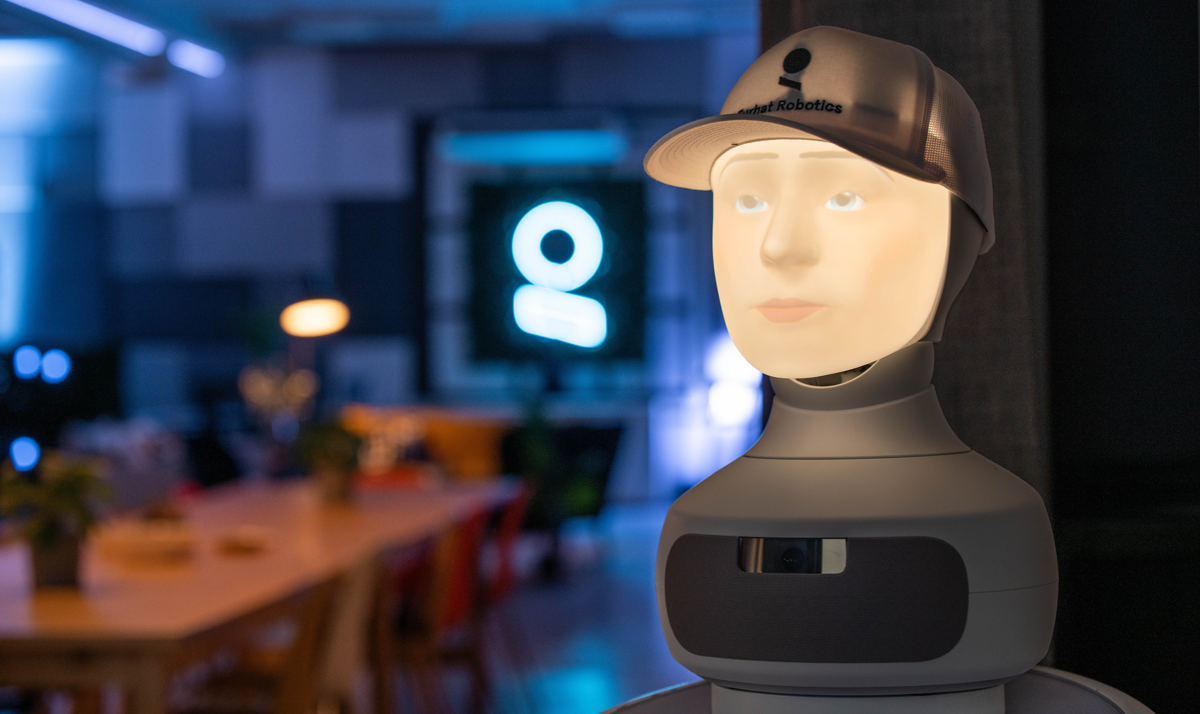
In this project, me and my team developed a mental health robot (MHR) using Furhat Robotics, designed to support the on boarding process of university- provided student mental health services. We developed one emotional and one neutral conversation guide for the robot. The user experience of engaging with these two modes were then tested against each other using a basic user experience test ad then also compared to a conventional survey questionnaire that is more widely used today. We found that due to the limitations of the technology of accurately resembling human emotions, users had the best experience with the non-emotional mode.
For this project, my primary responsibility was overseeing the development and execution of user research and experimental trials. Here, it was essential for me to closely work with the person responsable for coding, bridging the gap between theoretical ideas from user feedback with fast practical changes that makes a difference to the prototype.



LDA Topic Modeling
Analysis of Shopping App Reviews
This project used a dataset of 10.000 app reviews of Amazon and Alibaba to try to identify what topics were commonly discussed in reviews from each app. The wast data set was processed through Orange using the Latent Dirichlet Allocation (LDA) model which made the reviews into quantifiable data points.Through a comparison of the generated topics for each online shopping app, Amazon reviews tended to focus more extensively on logistics and customer service. Whilst Alibaba reviews lean more towards wide product selection, and app usability, as well as international availability.
In this project, we managed to transform a huge amount of unstructured text into quantifiable and structured data that can me measured and compared. Using the LDA model, it brought together the qualitative method of text analysis with quantitative data and statistically reoccurring themes. It was both interesting and rewarding to find hidden structures and patterns in textual data which could give real and important insight to a company or organisation.



Conspiracy theories on X (Twitter)
A project that was personally interesting to work on but at the same time is about a pretty serious topic was to investigate how a conspiracy theory is maintained and spread on the social media platform X (formerly known as Twitter). Using Actor-Network-Theory as a theoretical lens, I mapped out living and non-living actors and the part they played in maintaining conspiracy theories on Twitter.
This helped my further develop my skills investigating and simplifying complex digital environments into understandable concepts and connections.


Practical challenges for consultants working with inclusion in Sweden
In this project, I aimed at gaining an understanding of the practical challenges that faces consultant workers in Sweden, specifically focusing on inclusion and non-excluding design. This study is build on semistructured interviews with two strategically picked founders of consultant firms. This project is a good illustrations of a preliminary qualitative investigation into a subject; small scale but with depth, providing context rich insights. By interviewing founders of two consulting firms about this subject, I presented four reoccurring themes in the interviews: 'leeway for change', 'norms and awareness', 'law and compliance' and 'lack of research'. Each of these themes were discussed and in relation to the research literature and possible solutions.
This project helped to develop my skills interviewing and accurately transforming the data into understandable challenges and solutions. Inclusion, diversity and universal design being central aspects in today's research and design for both physical and digital spaces.

Contact me!
If you are a potential employer that wants to know more about my skills and how I could help contribute to your team; please do not hesitate to contact me. I'm looking forward to hearing from you!
Social media:
Skapa din egen webbplats med Webador